Keynote
A story-led talk built for your audience and your moment. Nothing pulled from a digital freezer.
Ask about a keynote →Speaking with Ryan Honick
Ryan helps audiences spot the assumptions hiding inside everyday systems—the ones everyone has politely agreed not to notice—and turn “that’s just how it works” into “wait, why does it work that way?”
Book Ryan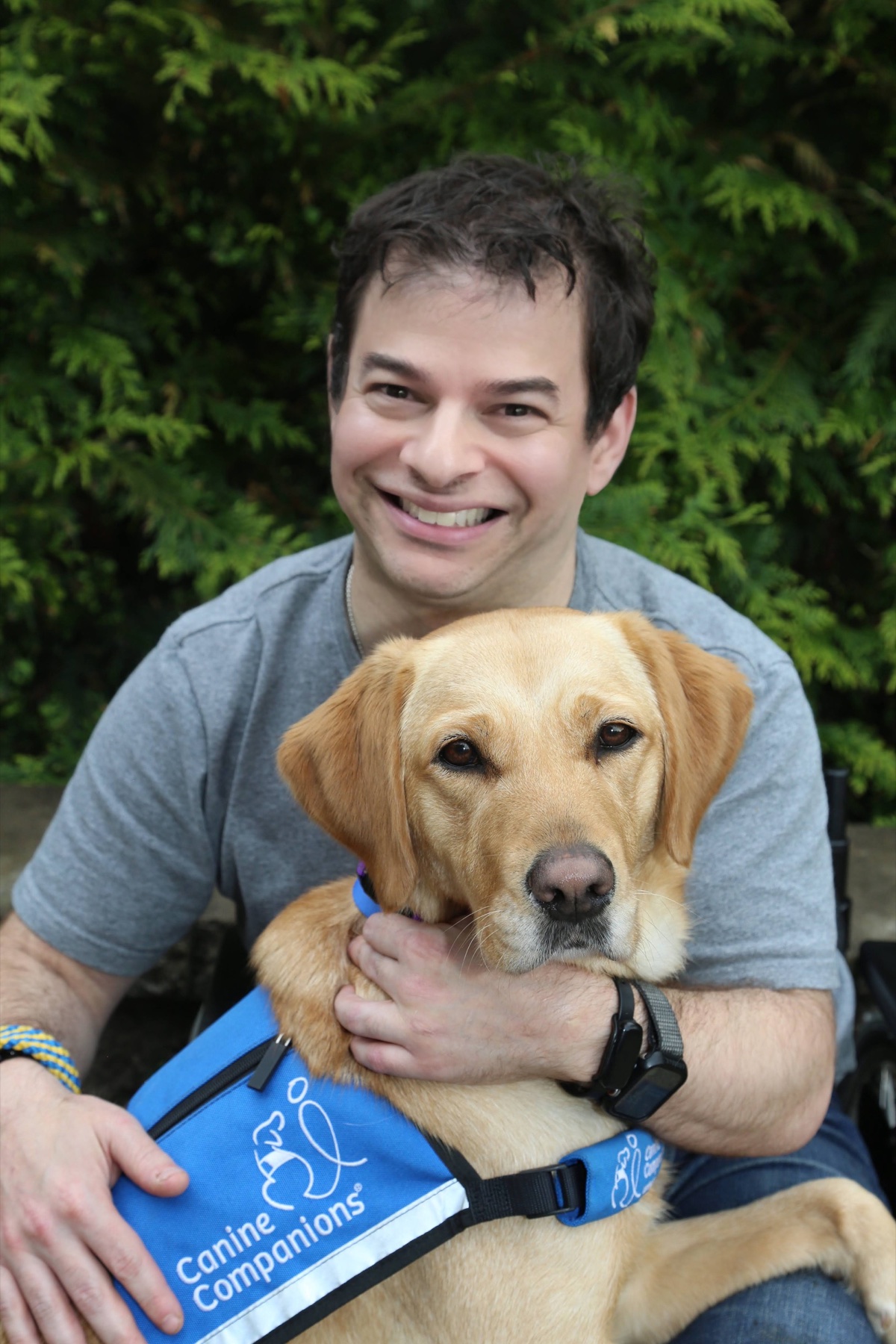
From the stage
I’m not fighting because I enjoy the fight. I’m fighting so I can stop fighting.
Lived experience, public-affairs instincts, and enough humor to let a room exhale before asking it to think harder.
Bring Ryan to the roomChoose a format
A story-led talk built for your audience and your moment. Nothing pulled from a digital freezer.
Ask about a keynote →Interactive problem-solving around access, language, policy, or culture. Sleeves up; old assumptions asked to show their work.
Ask about a workshop →Sharp, generous perspective for moderated conversations and interviews. Good questions welcome; softballs not required.
Ask about a panel or interview →Not sure which one fits? Start a general speaking inquiry. Ryan can help shape the format.
Conversation starters
No canned talks. No inspirational wallpaper. Just the right uncomfortable question, shaped for the people actually in the room.
Identity, language, disclosure, pride, discomfort—and who gets to define the experience.
A visual and practical examination of spaces, policies, and experiences that are technically accessible but functionally broken.
What trained service dogs actually do, what access barriers look like, and why the public conversation so often misses the point.
Moving beyond pity, inspiration, and invisibility toward stories with agency, complexity, and disabled voices at the center.
How organizations communicate clearly and credibly when policy, reputation, and human impact collide.
What audiences say
Witty, real, easy to work with—and incredibly powerful.
Highly engaging and thought-provoking.
Any organization would be fortunate to learn from him.
His thoughtful preparation and powerful takeaways made the experience both energizing and deeply impactful.
His expertise, authenticity, and lived experience made the conversation impactful and deeply personal.
He asked pointed questions and took time to learn and understand our company.
His humor and people skills are a rare gift.
Ryan is a consummate professional with a wealth of experience in communication and public relations.
After the applause
A good event does more than produce a very enthusiastic LinkedIn post. It changes what people notice on Monday morning.
the barrier everyone has been stepping around—and calling normal.
the assumption doing all the work while pretending to be a fact.
to one concrete next step. Not a task force to discuss forming another task force.
A useful conversation starts here